


Exact measure, long love
Floor plan
A plan for specific parts of a property or “estate division” is a procedure through which ownership is established over a specific part of a property, an apartment or business premises, as well as associated parts such as a garage, storage room, parking space or home garden.
In order for the building to be divided into apartments, it must have an act of legality – Decision on the executed condition, construction and use permit, Certificate of age before February 15, 1968. or similar
Also, the situation on the ground must be in accordance with the legality documentation. In addition, it is not possible to divide one part/one apartment within the building, but rather the entire building must be divided and the co-owners must agree.
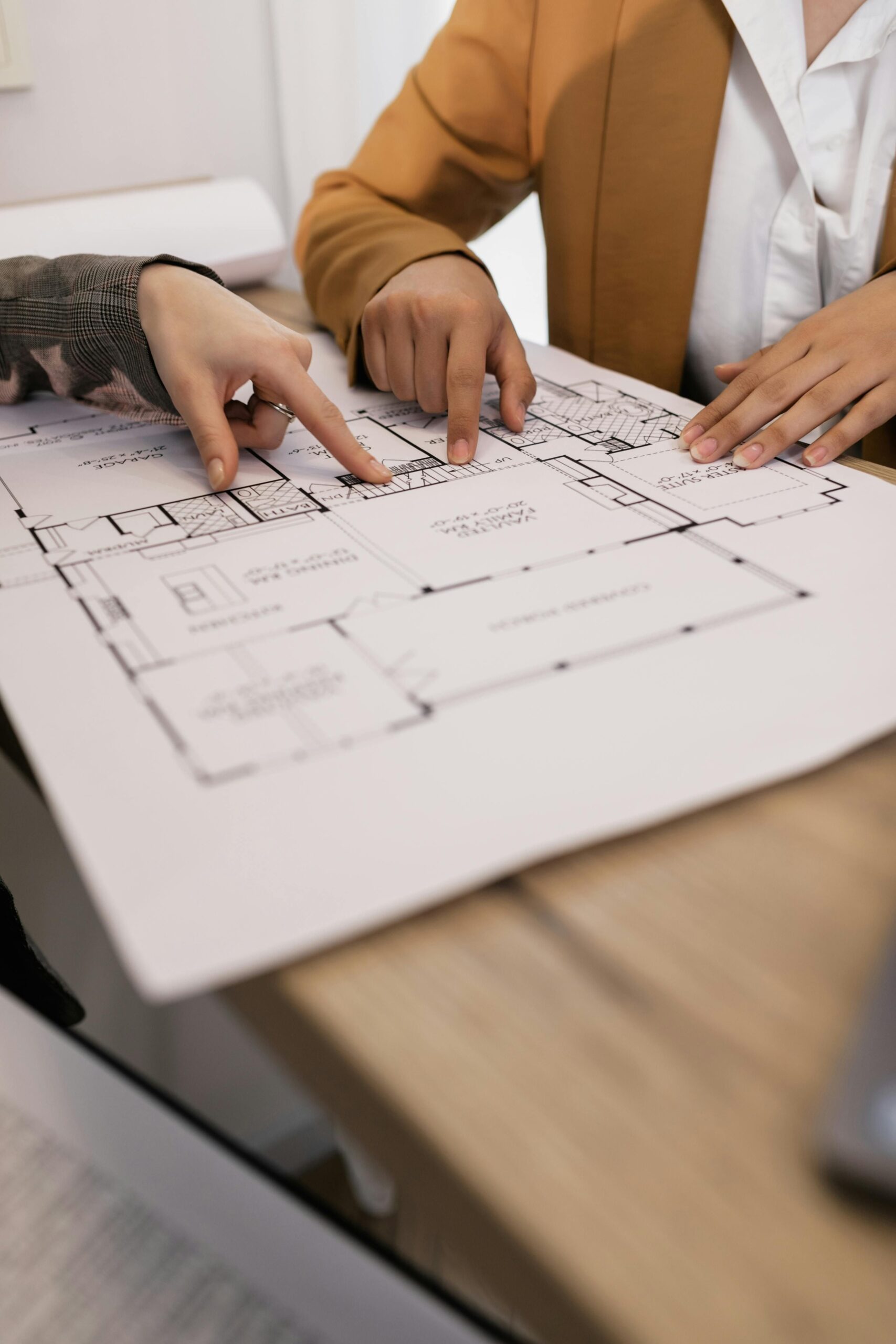
The only legal proof that you are the owner of an apartment or business premises is an extract from the land registry, i.e. the land registry. Apartments, garages, business premises, etc. cannot be registered in the land registry until the building is divided into condominiums.
When you carry out the condominium process, you can obtain a mortgage loan, buy or sell real estate, divide family property, conduct probate proceedings, or determine the share of individual co-owners in the costs of managing and maintaining the property.
If the co-owners want to divide the land, it is possible and necessary to include that part in the condominium development study and the condominium process itself.
Basic steps in the condominium process:
1. measurement of the object from the inside (if the object is legalized and has a Decision on the completed condition, measurement is not necessary)
2. preparation of a floor plan
3. submission of the floor plan for confirmation to the competent building office
4. monitoring the procedure until the certificate is issued
5. nakon što ured za graditeljstvo izda potvrdu etažnog elaborata, za provedbu u zemljišnim knjigama potrebno je angažirati odvjetnika.
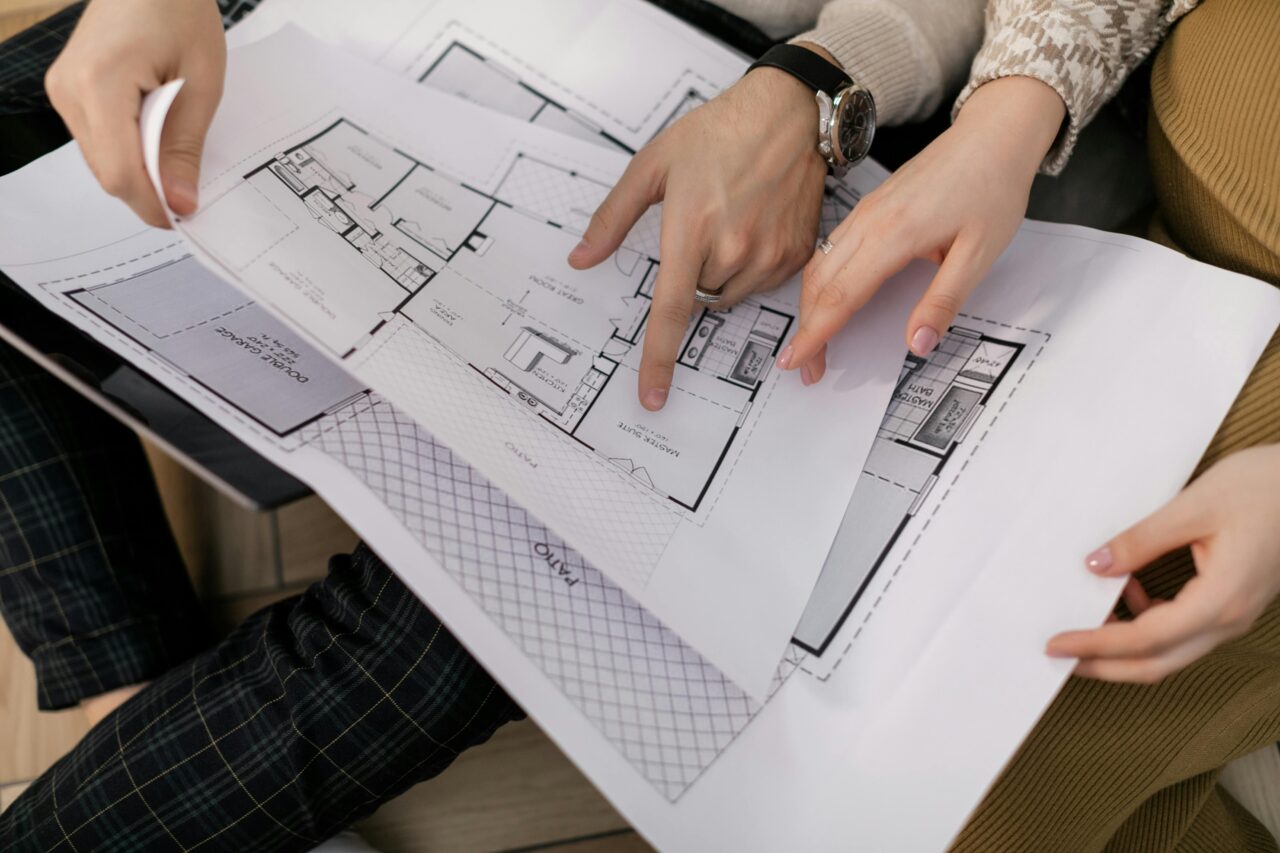
The basic parts of the floor plan are:
01
Textual part, graphic part and attachments.
02
TEXTUAL PART – includes a list and description of the special and secondary parts of the building and a proposal for entry in the land register (listed premises for each special part and shares in the property).
03
GRAPHIC PART of the floor plan – consists of a blueprint of the building on all floors with a list of rooms and associated areas.
04
ATTACHMENTS – the following documentation is included in the attachments:
copy of the title deed
land registry extract
copy of the cadastral plan
acts on the legality of the object (building and use permit, decision on the executed condition, floor plans and drawings from the project, etc.).
Testimonials
Happy clients are at the heart of what we do.

“Terren stands out for its unparalleled expertise and excellence. From the first meeting to the final delivery, the team demonstrated a high level of professionalism. Detailed reports and clear communication throughout the process facilitated understanding and decision-making. The project was completed on time and within the agreed budget.”
Lawyer and mediator Ruđer Anić, partner at the law firm Anić and partners

“As an architectural firm, we have been working with Lemax/Terren for many years regarding geodetic services and have only had positive experiences. Very accommodating and cooperative, fast and efficient.”
Certified Architectural Engineer Ivan Kapov, Director of the architectural bureau Kapov doo

"We decided to cooperate with the Terren surveying office because of their exceptional professionalism and ease of communication, and their quick and concrete response has been proven through years of cooperation on numerous projects."
Krešimir Vučko, director of Duotempus d.o.o., private investor
“The entire team deserves every compliment for the work done related to the cadastral plots and the floor plans that I needed after my parents died. Everything was in complete disarray, but they managed to resolve all the problems and help with the legal aspects.”
Željka Čorhodžić
“My many years of experience working with Terren have been very positive. Very professional approach. They guided me throughout the entire process and communicated regularly until the work was completed. I recommend Terren to anyone who wants precise and reliable results.”
Višnjica Malović
“Two years ago we bought a family house in Slunj with land. We needed surveying services, and on the recommendation of the old owners we came to Terreno. We are more than satisfied with their work. Fast, high-quality and very friendly service.”
Predrag Ugarković

"We regularly cooperate with the Terren surveying team and we are very satisfied! Everything is always done professionally, precisely and in a very short time. High level of professionalism and a warm recommendation to anyone who needs reliable services."
Jelena Kravoščanec Todorović, direktorica Opereta nekretnine

"Working with Terren was an excellent experience. Their expertise, precision, and speed in solving all geodetic tasks far exceeded my expectations. As an investor, it was important to me to have a reliable partner who understands all the steps in the process."
Marija Penić-Ivanko, direktorica tvrtke "Mare", privatna investitorica iz Krašića
Based on focused and dedicated work within set deadlines.


FAQ
How much does a floor plan cost?
Also, the situation on the ground must be in line with the legality documentation!
The price is most often defined per square meter, depending on the documentation that the object has, the location, the size of the plot, whether the yard needs to be divided, the compatibility of the cadastre and the land registry, etc.
When planning to request the services of a surveyor, the basic information that you must prepare is the cadastral plot number and the name of the cadastral municipality or the address of the object (if there is an object on the plot). Based on the information about the plot and the purpose of the study, the surveyor will be able to tell you what the purpose of the study you need is and what the price of the service will be.
What is needed to create a floor plan?
Condominium ownership is established by a condominium study. The first step towards preparing the study is to register the building in the cadastre and land registry. If the building is not registered or there are deviations from the actual situation on the ground, it is necessary to first prepare a geodetic study.
After that, the development of a condominium study begins. To implement it, it is necessary to collect the following documentation on the legality of the facility: a valid construction and use permit with the associated architectural project, a decision on the as-built condition with a photo of the as-built condition, a certificate of the age of the facility and a use permit for facilities built before 15.02.1968, etc. If the investor does not have the aforementioned documents available, they can obtain them from the competent archive independently or through a proxy.
Is my facility legal?
If a property is registered in the cadastre and land registry, this does not mean that it is legal.